Classifying Chance Activities to Align Provider Deals with Behavioral Threshold Monitoring
Geschrieben von Klara Albrecht · 2.10.2026
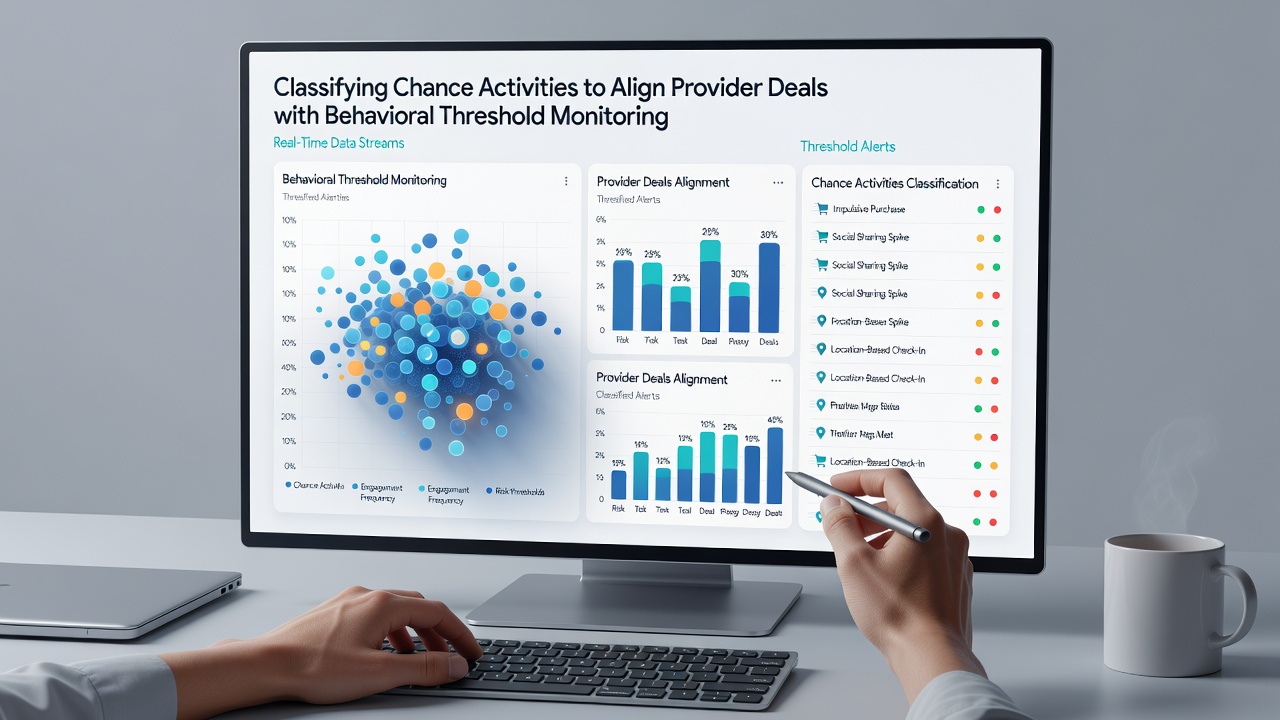
Classifying Chance Activities to Align Provider Deals with Behavioral Threshold Monitoring
Classification systems for chance activities form the backbone of modern regulatory frameworks that connect gambling operators with behavioral monitoring tools, and researchers continue to refine these categories to ensure provider agreements incorporate clear thresholds for player activity. Data from multiple jurisdictions shows that operators categorize games and betting formats by risk level, payout speed, and engagement intensity before finalizing commercial partnerships, which allows automated systems to flag patterns that approach predefined behavioral limits. Studies indicate these classifications help align contract terms with real-time oversight mechanisms, reducing the gap between commercial objectives and player protection requirements.
Core Elements of Activity Classification
Chance activities break down into distinct groups based on structural features such as random number generation frequency, stake variability, and session duration potential, and analysts apply consistent criteria across platforms to maintain uniformity in how providers structure their offerings. Observers note that high-frequency games with rapid result cycles receive elevated risk designations compared to slower-paced formats, while hybrid products that blend skill elements with chance components occupy an intermediate category that requires additional monitoring layers. Evidence from industry reports reveals that accurate classification directly influences the terms embedded in supplier contracts, particularly clauses that trigger behavioral alerts when aggregate player data crosses established boundaries.
Those who examine regulatory updates point out that classification schemas now integrate variables like bonus absorption rates and deposit velocity, elements that earlier models treated separately from core game mechanics. This expanded approach emerged because data sets collected over recent years demonstrated stronger correlations between certain activity types and the onset of sustained high-volume play. In October 2026 several oversight bodies began piloting unified classification codes that feed directly into contract templates used by major platform providers, creating a shared language between commercial partners and monitoring software vendors.
Linking Classifications to Provider Agreements
Provider deals increasingly reference specific activity classes when defining service level commitments and compliance obligations, and contract language now specifies which categories must route through enhanced scrutiny protocols once volume metrics indicate proximity to behavioral thresholds. Figures released by research institutions demonstrate that agreements containing explicit classification references show higher rates of timely intervention compared with contracts that rely on generic compliance language. Operators therefore map each product category to corresponding threshold parameters before signing, ensuring that automated flags align with the commercial scope of the partnership.
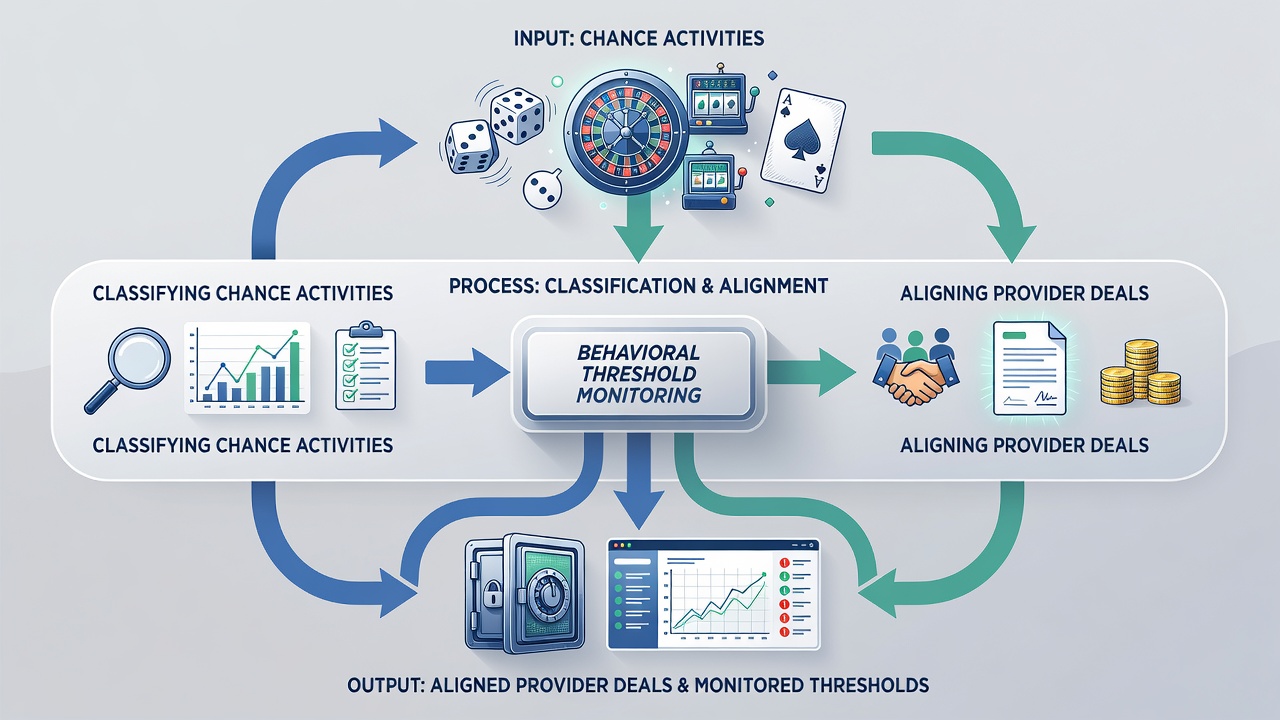
What's interesting is how these mappings affect revenue-sharing arrangements and marketing support clauses, because certain high-engagement categories carry stricter notification requirements that can alter payout schedules or co-promotion terms. Australian Institute of Health and Welfare publications outline how similar linkage systems operate across state-level licensing regimes, and the same principles appear in European regulatory guidance that emphasizes classification-driven contract design. Providers that embed these connections early in negotiations report smoother integration with third-party monitoring platforms, since the data fields required for threshold detection match the categories already defined in the agreement.
Behavioral Threshold Monitoring in Practice
Automated monitoring systems use the classification taxonomy to set graduated alerts that escalate as player behavior approaches documented thresholds, and software dashboards display real-time category-specific metrics that compliance teams review against contractual triggers. Research indicates that thresholds calibrated to individual activity classes produce fewer false positives than uniform limits applied across all game types, which improves operator efficiency while maintaining regulatory standards. Data shows that platforms employing class-specific thresholds detect sustained play patterns earlier in the session lifecycle, allowing support resources to activate before cumulative spend reaches higher-risk zones.
Canadian Centre on Substance Use and Addiction analyses highlight how classification accuracy influences the reliability of these monitoring outputs, particularly when operators introduce new game formats that require re-categorization. Those responsible for system maintenance update classification tables quarterly to reflect product changes, and the updated codes propagate automatically into active provider contracts through standardized data exchange protocols. This continuous alignment ensures that threshold parameters remain consistent even as the underlying chance activity portfolio evolves.
Conclusion
Classification of chance activities supplies the structural foundation that lets provider agreements incorporate precise behavioral threshold parameters, and ongoing refinements to these taxonomies continue to strengthen the connection between commercial arrangements and automated oversight. Evidence gathered across multiple regulatory environments confirms that standardized category definitions improve both contract clarity and monitoring effectiveness, while periodic updates in frameworks such as those advanced in October 2026 further embed classification logic into operational practice. Operators and regulators alike rely on these aligned systems to maintain consistent standards as product offerings and data collection methods advance.