Decoding Loyalty Tiers: How Progressive Rewards Tie Into Early Risk Monitoring on Major Betting Platforms
Geschrieben von Klara Albrecht · 18.9.2026
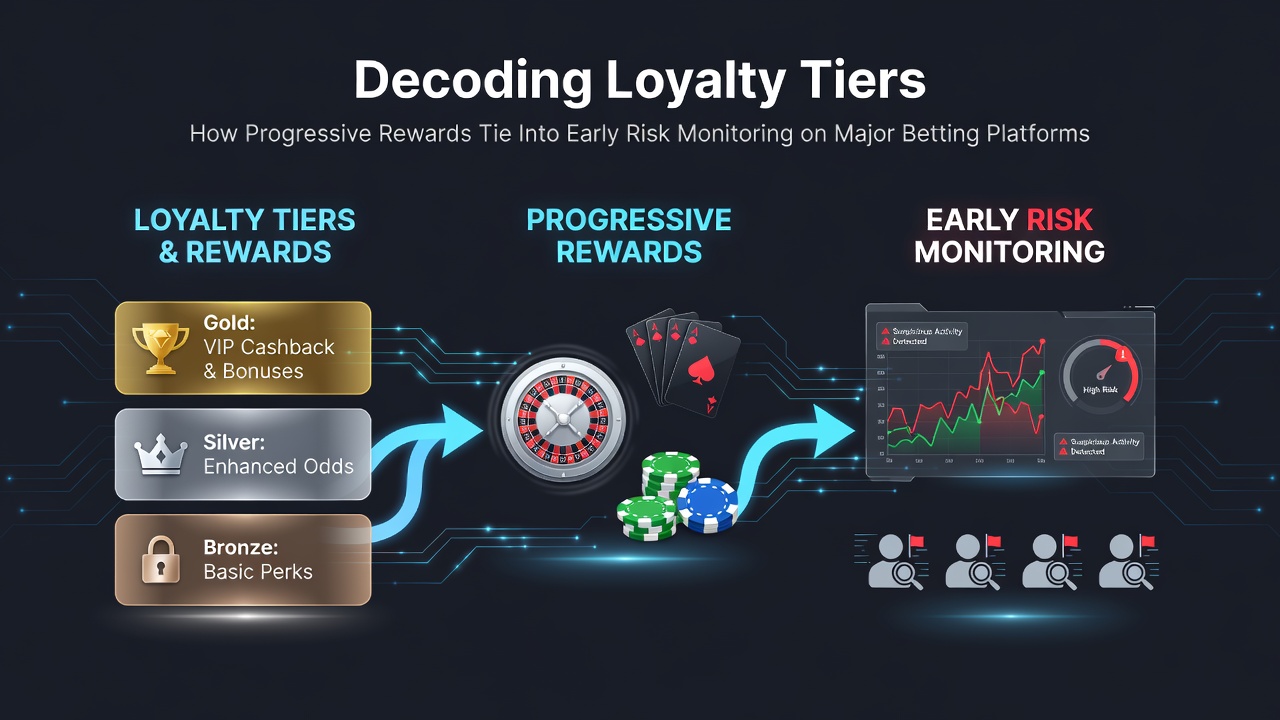
Decoding Loyalty Tiers: How Progressive Rewards Tie Into Early Risk Monitoring on Major Betting Platforms
Betting platforms structure loyalty programs around tiered systems that escalate rewards based on cumulative wagering volume and account activity over defined periods, and these same systems feed into automated monitoring frameworks designed to identify shifts in user behavior before patterns reach clinical thresholds for concern. Operators assign users to entry-level tiers such as bronze or silver through initial deposit and play metrics, then unlock higher gold or platinum status once spending crosses predetermined milestones that typically include total wagered amounts, frequency of sessions, and diversity of bet types.
Mechanics of Progressive Reward Structures
Each tier grants access to cashback percentages, bonus credits, and exclusive event invitations that increase in value at higher levels, yet the data streams generated by these escalations also populate risk-scoring models used by compliance teams. Research indicates that platforms calculate tier advancement through rolling windows of 30 to 90 days, during which algorithms track metrics including average bet size, loss-chasing sequences, and deposit velocity to determine both reward eligibility and concurrent risk flags. Those who study digital wagering ecosystems note that reward multipliers at upper tiers create additional data points because larger bonuses often correlate with accelerated play rates that monitoring systems log separately for pattern analysis.
Integration With Early Detection Protocols
Operators link loyalty data directly to early risk monitoring by routing tier-progression events through behavioral analytics engines that compare individual trajectories against population baselines derived from millions of accounts. When a user advances rapidly through tiers within a short timeframe, the system generates alerts that prompt manual review or automated interventions such as temporary stake limits or personalized messages directing users toward responsible gambling tools. Data from major platforms shows these integrations became standard practice after regulatory updates in multiple jurisdictions required operators to demonstrate proactive harm-minimization measures tied to commercial features like loyalty programs. Observers note that September 2026 marks the scheduled rollout of enhanced API standards across several European and North American operators, which will require loyalty tier engines to export real-time risk indicators to centralized monitoring dashboards used by third-party auditors.
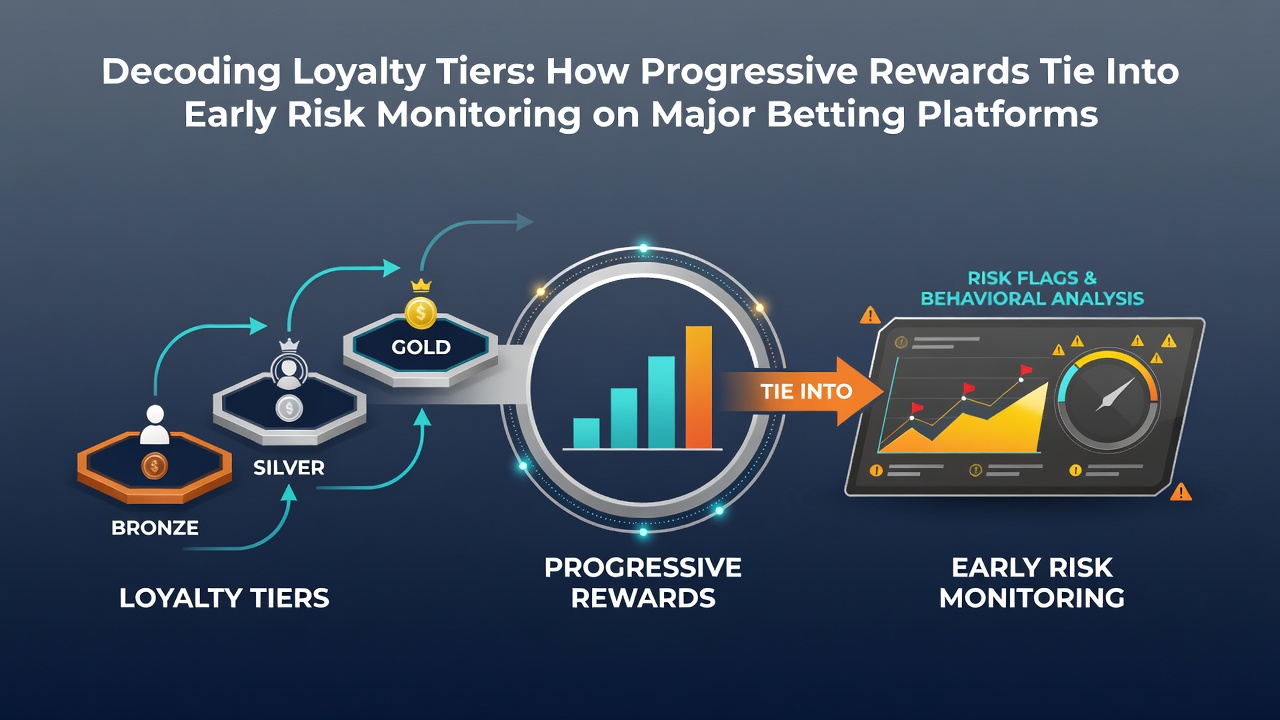
One case documented by industry analysts involved a mid-tier user whose sudden acceleration toward platinum status triggered a flag because deposit frequency doubled within two weeks while win rates remained statistically flat; the platform responded with a cooling-off prompt and reduced bonus availability rather than immediate account restriction. Such responses illustrate how progressive rewards serve dual functions as engagement drivers and data sources for threshold detection.
Regional Regulatory Frameworks and Data Standards
According to reports published by the Victorian Responsible Gambling Foundation, tiered loyalty systems in Australian markets must now log every reward redemption event alongside associated wagering data so that state regulators can audit whether operators apply consistent risk thresholds across user segments. In Canada, the Alcohol and Gaming Commission of Ontario requires operators to submit quarterly summaries that cross-reference loyalty tier distributions with self-exclusion rates and deposit-limit uptake figures. Researchers at the University of Sydney have examined similar datasets and found that users reaching gold tier or above account for disproportionate shares of flagged high-risk sessions, though causation remains under study rather than established. Platforms therefore calibrate monitoring sensitivity so that tier advancement alone does not automatically restrict play but instead initiates layered review processes that incorporate additional variables such as time-of-day patterns and device usage.
Technical Implementation Across Platforms
Major operators deploy machine-learning classifiers trained on historical account histories to predict when loyalty progression might coincide with emerging risk indicators, and these models update continuously as new reward redemptions occur. The classifiers assign probability scores that compliance staff review in priority order, allowing teams to intervene at earlier stages than would be possible through deposit monitoring alone. Industry trade groups including the European Gaming and Betting Association have published guidance documents that recommend embedding risk variables directly into loyalty calculation engines rather than running parallel systems, thereby reducing latency between reward issuance and behavioral assessment. Those implementations vary by jurisdiction because data-protection rules in the European Union impose stricter consent requirements for combining commercial and risk datasets compared with frameworks in parts of Asia and the Americas.
Conclusion
Loyalty tier systems on major betting platforms therefore function as both incentive mechanisms and continuous data pipelines that support early risk monitoring through shared analytics infrastructure. As standards evolve through September 2026 and beyond, the technical coupling between reward progression and behavioral oversight is expected to tighten further under updated reporting obligations from regulatory bodies in Australia, Canada, and the European Union. Operators continue refining these linkages to meet compliance benchmarks while maintaining engagement features that define competitive positioning in digital wagering markets.