Linking Slot Volatility Data to Tiered Rewards and Behavioral Monitoring Systems
Geschrieben von Klara Albrecht · 13.11.2026
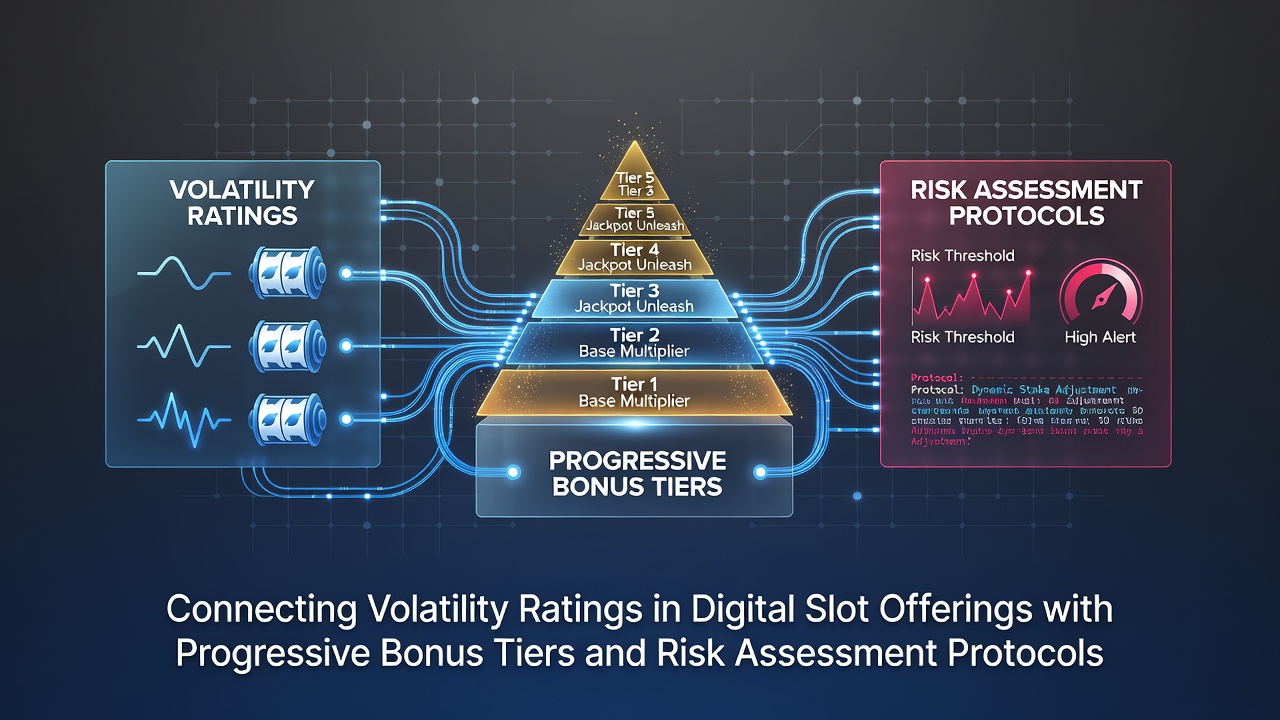
Linking Slot Volatility Data to Tiered Rewards and Behavioral Monitoring Systems
Digital slot platforms organize volatility ratings into distinct categories that range from low to high, and these ratings feed directly into how operators structure progressive bonus tiers while supporting risk assessment protocols that track player activity over time. Low-volatility games deliver frequent smaller payouts that align with entry-level bonus structures, whereas high-volatility titles require larger wagers before unlocking advanced reward levels, and operators adjust these connections through data models that flag patterns associated with increased spending velocity.
How Volatility Ratings Shape Bonus Progression
Operators assign volatility scores to each slot title using historical payout distributions and return-to-player calculations, then map those scores onto bonus tier requirements so that players advance through loyalty stages based on consistent engagement with specific game types. A medium-volatility slot might trigger mid-tier bonus eligibility after a set number of spins, while high-volatility offerings demand longer play sequences before the same rewards activate, and this mapping helps platforms maintain balanced reward distribution across their catalog. Research from the Canadian Centre on Substance Use and Addiction shows that volatility-adjusted bonus systems correlate with steadier player retention metrics across multiple jurisdictions.
Progressive tiers often incorporate volatility multipliers that increase bonus percentages for players who concentrate activity on higher-volatility games, yet these multipliers remain tied to real-time monitoring that detects rapid deposit patterns or extended session lengths. Platforms update these rules periodically, with several major providers implementing revised volatility-to-tier formulas scheduled for rollout in November 2026 to reflect updated regulatory guidelines on reward transparency.
Risk Assessment Integration with Game Metrics
Risk assessment protocols collect volatility data alongside wager frequency and session duration to generate individualized risk profiles that influence which bonus tiers remain accessible to each account. When a player shifts activity toward high-volatility slots while simultaneously meeting deposit thresholds for advanced tiers, automated systems apply additional review steps that may include temporary bonus holds or directed messages about available support resources. Data from the Australian Institute of Family Studies indicates that platforms using combined volatility and behavioral metrics identify elevated risk indicators earlier than systems relying on wager volume alone.
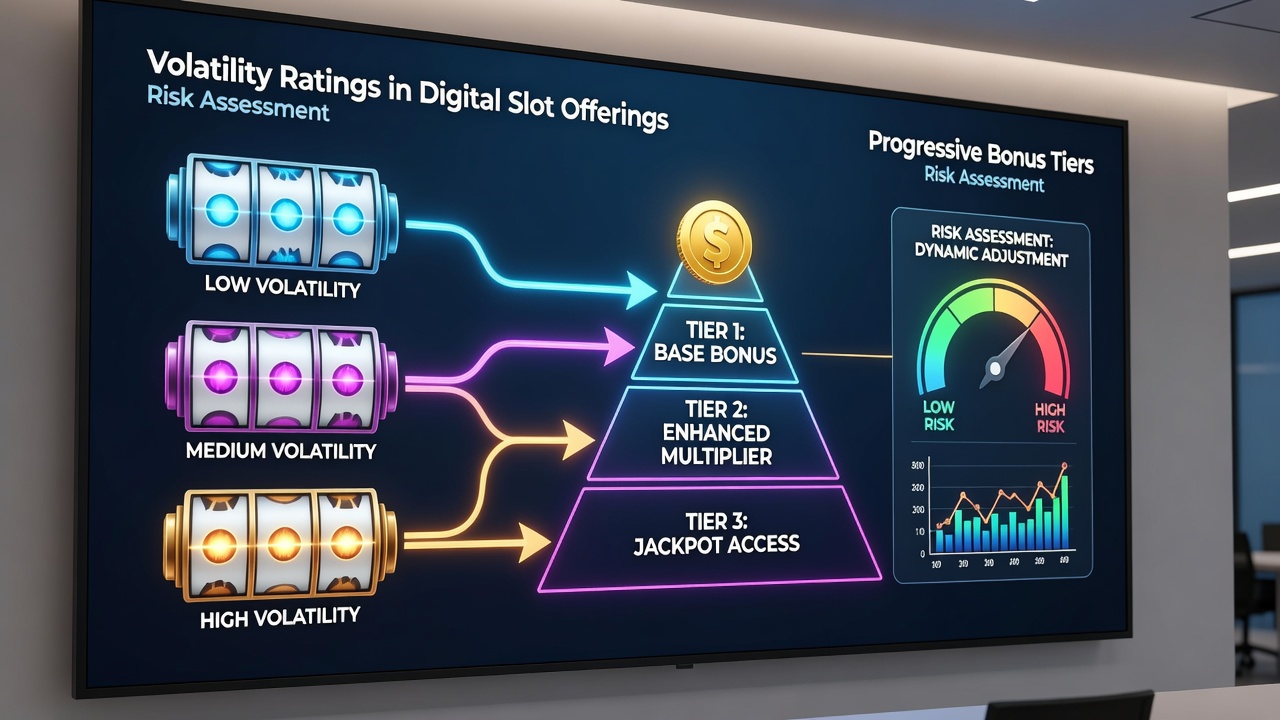
Those who manage these platforms note that the linkage between volatility ratings and risk protocols allows for granular adjustments, such as slowing bonus progression for accounts showing clustered high-volatility play within short time windows. Protocols also incorporate external data sources like self-exclusion registries to refine tier eligibility, ensuring that bonus structures do not inadvertently accelerate activity for individuals already flagged in monitoring databases.
Regulatory and Technical Frameworks
European gaming authorities have begun requiring operators to document how volatility ratings influence bonus tier calculations, with new reporting standards taking effect across several member states by late 2026. Technical teams build these connections through application programming interfaces that pull volatility scores from game suppliers and feed them into central risk engines, creating audit trails that regulators can review during compliance checks. One study published by researchers at the University of Nevada, Reno examined ten thousand player accounts and found measurable differences in tier advancement rates when volatility data was actively weighted in bonus algorithms versus when it was omitted.
Platforms continue to refine these connections by testing new weighting factors that balance commercial objectives with regulatory expectations around player protection. The process involves regular recalibration of thresholds so that progressive rewards remain available while risk protocols maintain consistent oversight across different game volatility profiles.
Conclusion
Volatility ratings now function as foundational inputs for both progressive bonus tier design and risk assessment protocols in digital slot environments, creating interconnected systems that respond to player behavior with increasing precision. Operators update these linkages regularly to align with evolving standards, and the scheduled changes for November 2026 reflect ongoing efforts to standardize how game metrics support responsible reward structures across international markets.