The Role of Game Definitions in Shaping Bonus Strategies and Addiction Awareness Campaigns Across Betting Platforms
Geschrieben von Klara Albrecht · 16.10.2026
The Role of Game Definitions in Shaping Bonus Strategies and Addiction Awareness Campaigns Across Betting Platforms
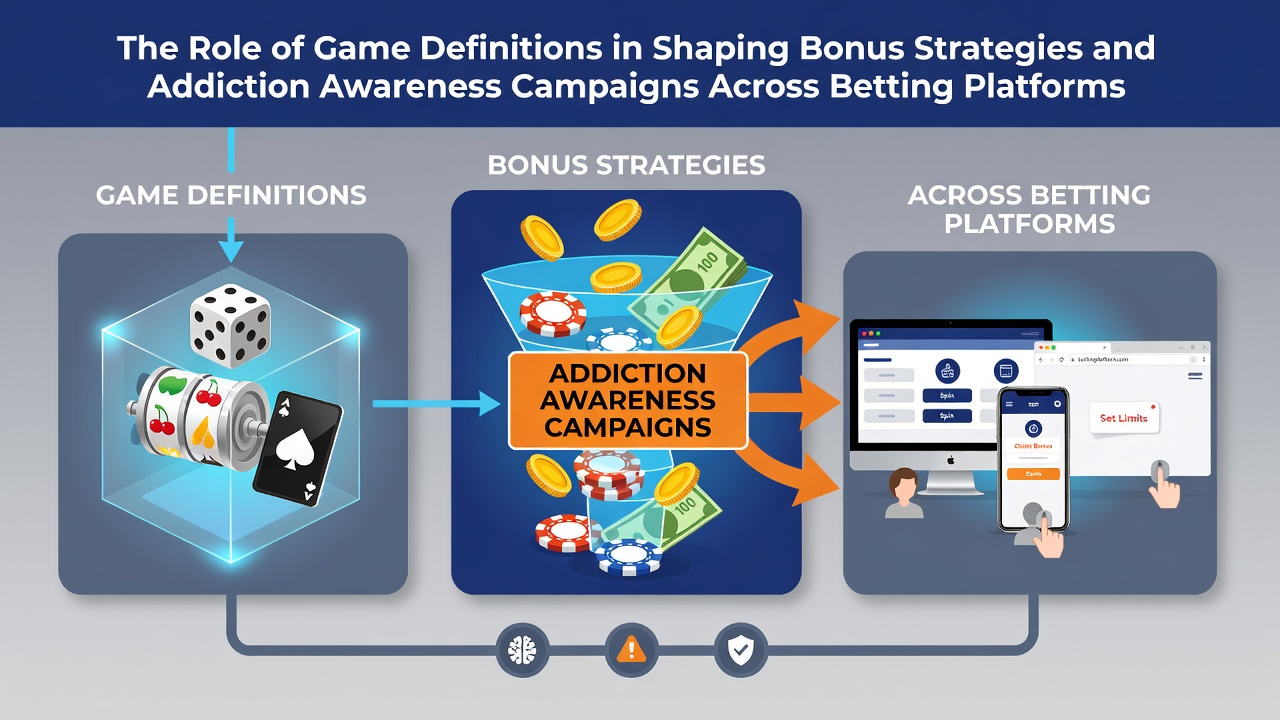
Game definitions serve as the foundation for how betting platforms structure promotional offers and design targeted awareness initiatives, since regulators and operators rely on clear categories such as chance-based slots, skill-influenced table games, and sports wagering to set rules around bonuses and player protections. These classifications determine which products qualify for deposit matches, free spins, or cashback programs, and they guide the allocation of resources toward campaigns that highlight higher-risk activities.
Classification Systems and Their Direct Effect on Bonus Mechanics
Platforms apply definitions established by licensing authorities to decide wagering requirements, contribution percentages, and eligibility restrictions, so a product labeled as a pure-chance slot typically contributes less toward playthrough targets than a poker variant designated as skill-based. Data from industry reports show that operators adjust bonus caps and validity periods according to these categories, which allows them to comply with regional rules while still attracting users across different verticals. In practice, a game defined as low-volatility might receive more generous promotional weighting because monitoring systems flag it differently from high-volatility options that trigger earlier alerts.
Regulatory frameworks in multiple jurisdictions require operators to publish these contribution rates openly, and updates to classification standards can shift entire bonus portfolios overnight. For example, when authorities reclassify certain prediction-market features from entertainment to gambling products, platforms must recalibrate their promotional offers to avoid violations, which in turn affects how loyalty programs reward participation in specific titles.
Integration of Definitions into Addiction Awareness Efforts
Awareness campaigns draw on the same classification structures to prioritize messaging, directing higher-intensity interventions toward categories associated with faster session times or elevated loss rates. Research indicates that materials produced by public health agencies emphasize distinctions between chance-dominated games and those with measurable skill elements, because players respond differently once they understand how definitions influence both the pace of play and the probability of extended engagement.
Operators embed these distinctions into in-platform notifications and responsible-gaming tools, so users who frequently access high-contribution slots receive tailored prompts that reference the product category rather than generic advice. Studies conducted across North American and European markets reveal that campaigns built around precise game definitions achieve better engagement metrics than broad-brush approaches, since the language mirrors the terminology already familiar from bonus terms and conditions.
Regulatory Developments and Platform Adjustments Ahead of October 2026
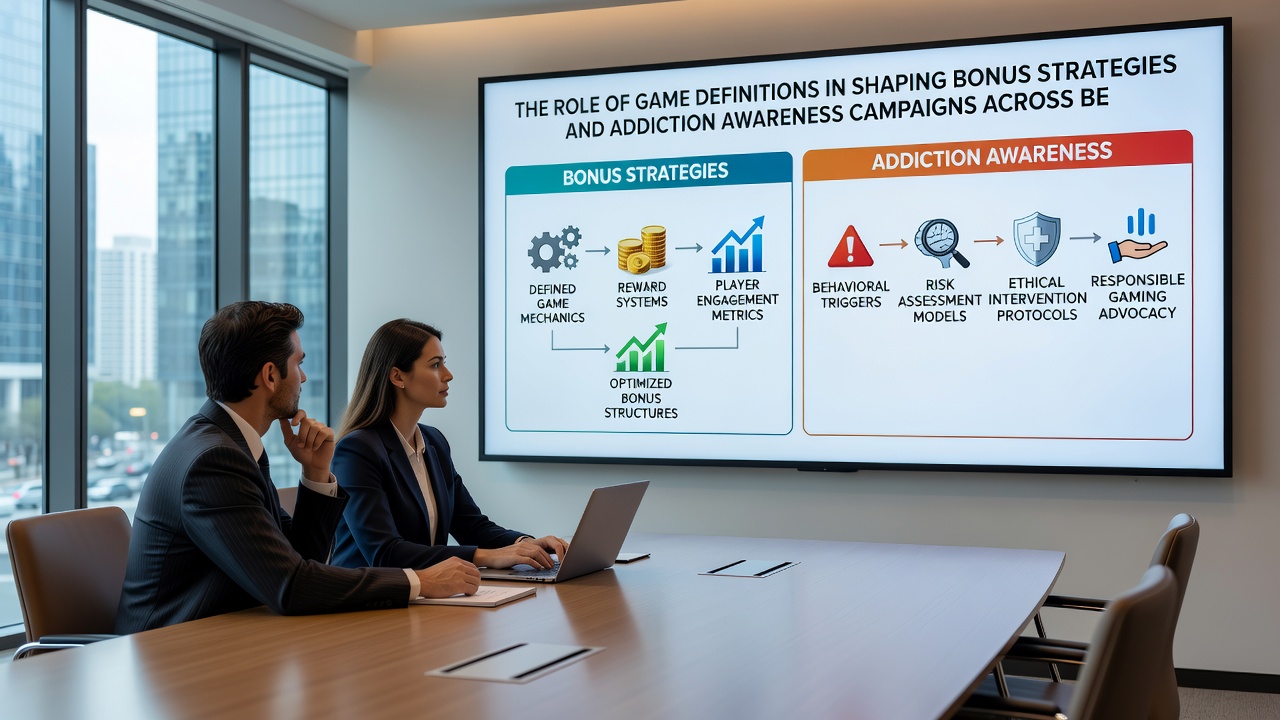
Multiple licensing bodies are scheduled to implement revised game-classification guidelines in October 2026, which will require operators to re-evaluate bonus structures for any titles that shift categories under the new criteria. These changes stem from ongoing consultations involving government agencies in Canada and Australia alongside academic research groups, and they aim to create more consistent thresholds for what constitutes a skill element versus a chance outcome. Platforms have already begun auditing their catalogs to prepare for the transition, adjusting promotional calendars and updating awareness materials that reference specific game types.
According to figures released by the Canadian Centre on Substance Use and Addiction, clearer definitions correlate with improved detection of behavioral thresholds, allowing campaigns to focus resources on verticals that show measurable upticks in session length. Operators report that aligning bonus rules with these forthcoming standards reduces compliance friction and supports more granular risk-modeling tools.
Cross-Platform Data Sharing and Standardized Metrics
Industry associations have begun piloting shared taxonomies that map game definitions to common risk indicators, which facilitates coordinated awareness efforts across competing sites. When two platforms use identical category labels for a particular title, they can exchange anonymized data on how bonus incentives interact with play patterns without exposing proprietary strategies. This standardization also helps public-health organizations design unified messaging that travels across borders, since the underlying definitions remain consistent regardless of local branding.
Evidence from collaborative projects coordinated by European research institutions demonstrates that platforms adopting unified classification systems experience smoother integration of awareness features into their existing bonus engines. The result is a feedback loop where game definitions inform both promotional design and the timing of intervention messages.
Conclusion
Game definitions function as the connective tissue between bonus strategies and addiction awareness campaigns, because every regulatory decision, promotional parameter, and educational message ultimately references the same set of categories. As October 2026 approaches, operators and regulators continue refining these frameworks to maintain consistency across jurisdictions while supporting data-driven approaches to player protection. The ongoing alignment of classification standards with measurable behavioral indicators ensures that both commercial incentives and public-health objectives operate from a shared factual base.